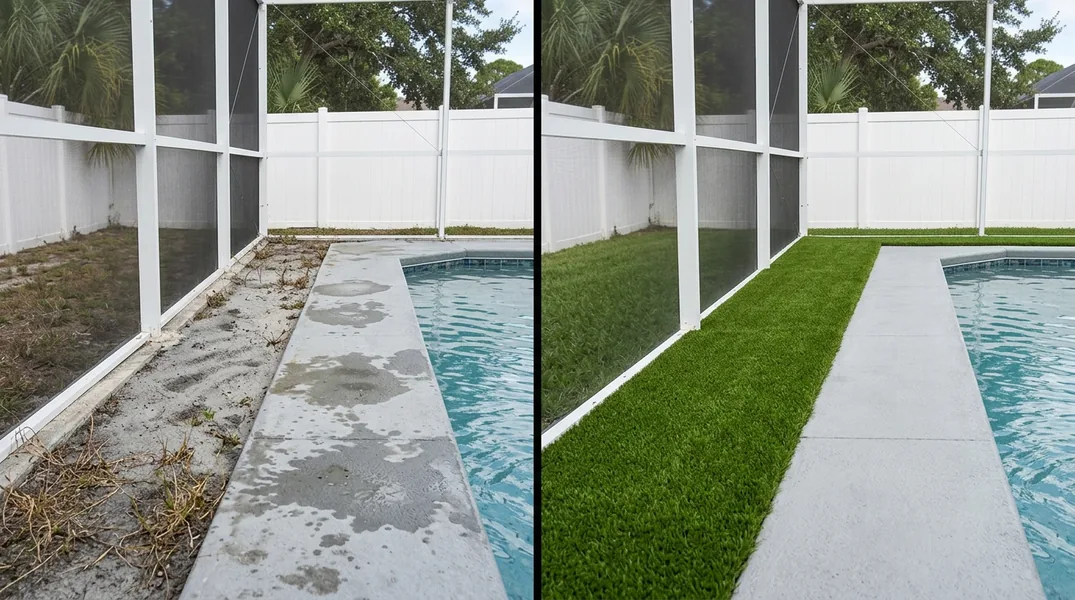
Understanding HOA Rules for Artificial Grass in Brevard County
If you own a home in a homeowners association (HOA) community in Palm Bay or elsewhere in Brevard County, you know that HOAs set specific guidelines about property appearance, landscaping, and exterior modifications. Artificial grass has become increasingly popular among homeowners looking to reduce water usage, eliminate mowing, and maintain a green lawn year-round. However, not all HOAs embrace this modern landscaping solution equally. Some communities actively encourage artificial turf installations, while others have strict restrictions or outright bans on synthetic grass in front yards.
The key to a smooth installation process is understanding your HOA's specific covenants, conditions, and restrictions (CC&Rs) before you invest in Residential Artificial Grass Installation. Many HOAs in Brevard County have outdated rules that were written before artificial grass technology improved dramatically. These older guidelines may prohibit synthetic turf entirely or require it to look indistinguishable from natural grass. Other progressive HOAs have updated their bylaws to permit artificial grass with certain specifications regarding color, pile height, and drainage. Taking time to review your HOA documentation now can save you thousands of dollars and weeks of frustration later.
What Your HOA CC&Rs Say About Front Yard Turf
Your HOA's Covenants, Conditions, and Restrictions document is the governing legal framework for what you can and cannot do to your property's exterior. This document typically covers everything from paint colors and roof materials to landscaping and lawn maintenance. When it comes to artificial grass, some HOAs explicitly address synthetic turf, while others use vague language about maintaining natural lawns or keeping the property in a certain aesthetic standard. If your CC&Rs don't specifically mention artificial grass, that doesn't necessarily mean it's allowed. Many HOAs interpret general landscaping clauses to mean natural grass only, so you'll need to clarify with your board.
The most common HOA restrictions on artificial grass relate to appearance and drainage. Some communities require that artificial turf look virtually identical to natural grass, which rules out many budget-friendly synthetic options. Others mandate specific pile heights, color ranges, or drainage systems to prevent water runoff issues. A few HOAs prohibit artificial grass in front yards but allow it in backyards, reasoning that front yards are the most visible part of the community and must maintain a uniform natural appearance. Before you contact us for a free estimate, read your CC&Rs carefully or request a copy from your HOA management company. Understanding these rules upfront helps you make an informed decision about whether artificial grass is right for your home.
The Submittal and Approval Process for HOA Artificial Grass Projects
Most HOAs in Brevard County require homeowners to submit architectural or landscape modification requests before making exterior changes, including artificial grass installation. This submittal process typically involves completing a form provided by your HOA, which asks you to describe the project, provide specifications of materials you plan to use, and sometimes include photos or diagrams. The HOA architectural review committee (ARC) then evaluates your request against the community's CC&Rs and design guidelines. This review period can take anywhere from two to four weeks, though some HOAs respond faster. It's crucial to be thorough and honest in your submittal. Provide detailed information about the artificial grass product you've selected, including the manufacturer, color, pile height, and drainage system. Include product samples if possible, as this helps the ARC visualize exactly what your lawn will look like.
When submitting your artificial grass project to your HOA in Palm Bay, include photos of your current front yard and, if available, professional renderings showing what the finished installation will look like. Many HOAs are more likely to approve projects when homeowners demonstrate that the artificial grass will enhance or at least maintain the community's aesthetic. You should also be prepared to answer questions about drainage, maintenance, and how the turf will perform in Florida's climate. Some HOAs may require you to provide proof that the artificial grass product meets certain industry standards or certifications. If your initial submittal is denied, you have the right to request a meeting with the ARC to discuss their concerns and potentially resubmit with modifications. Having a professional installer like Palm Bay Turf Installation on your side can strengthen your case, as we can provide technical documentation and answer specific questions about installation and product quality.
Common HOA Objections to Front Yard Artificial Grass and How to Address Them
Even in communities that don't explicitly prohibit artificial grass, HOA boards sometimes raise objections based on misconceptions or concerns about quality and durability. One of the most common objections is that artificial grass looks fake or cheap, which will lower property values or detract from the community's appearance. However, modern artificial turf technology has advanced significantly, and high-quality products are virtually indistinguishable from natural grass, especially from a distance. When addressing this concern in your submittal, provide samples of the specific product you plan to install and explain that it has been installed successfully in other Florida communities. Another frequent objection relates to drainage and water runoff. HOAs worry that artificial grass will create puddles or cause water to flow onto neighboring properties. This is a legitimate concern, but it's easily addressed with proper installation that includes adequate drainage systems and grading.
Some HOAs express concerns about durability and whether artificial grass will fade or deteriorate in Florida's intense sun and humidity. This is a valid question, and your response should highlight that premium artificial grass products are UV-resistant and designed specifically for hot, humid climates like ours in Brevard County. You might also mention that artificial grass requires minimal maintenance compared to natural grass, which actually benefits the community by reducing noise from lawn mowers and eliminating the need for chemical fertilizers and pesticides. If your HOA remains hesitant, ask whether you can install artificial grass in your backyard instead as a compromise. Many HOAs that restrict front yard turf are more flexible about backyard installations, and this can be a practical solution while you work toward community acceptance of the technology.
Residential Artificial Grass Installation Near Me: Working with Your HOA Approval
Once your HOA approves your artificial grass project, choosing the right installer becomes critical. You'll want a company that understands HOA requirements, communicates professionally with your board, and installs turf that meets or exceeds community standards. Palm Bay Turf Installation has extensive experience working with HOA communities throughout Palm Bay and Brevard County. We're familiar with the approval process and can provide documentation that helps homeowners navigate their HOA's requirements. When you work with us, we'll discuss your HOA's specific restrictions and recommend products and installation methods that comply with those rules. We also provide professional photos and technical specifications that you can include in your submittal to strengthen your case with the architectural review committee.
Our installation team takes pride in creating beautiful, durable artificial grass lawns that enhance property values and satisfy even the most discerning HOAs. We handle proper grading and drainage to ensure that water flows appropriately and doesn't create runoff issues. We also use only premium artificial grass products that resist fading and maintain their appearance for years. If you're ready to move forward with your artificial grass project and need professional guidance through the HOA approval process, call us at (321) 338-1532 or reach out online for a free estimate. We'll help you understand your HOA's requirements and create a submittal package that gives you the best chance of approval.
Timeline and Budget Considerations for HOA-Approved Artificial Grass Projects
Planning an artificial grass installation in an HOA community requires thinking about both timeline and budget. The approval process alone can take four to eight weeks in some cases, especially if your initial submittal requires revisions or if the ARC meets infrequently. You should factor this waiting period into your project timeline and avoid purchasing materials or scheduling installation until you have written approval from your HOA. Once approved, the actual installation typically takes one to three days depending on your yard size and site conditions. Budget-wise, artificial grass pricing varies based on the size of your front yard, the quality of the product you select, and any site preparation work needed. Premium products that meet strict HOA standards may cost more upfront than budget options, but they offer better durability, appearance, and longevity, making them a worthwhile investment for HOA properties where aesthetics matter.
When budgeting for your project, remember to include the cost of proper site preparation, which may involve removing existing grass, grading, and installing a drainage system. These preparatory steps are essential for ensuring your artificial grass performs well in Florida's climate and meets your HOA's standards. It's also wise to budget for professional installation rather than attempting a DIY approach, as improper installation can lead to drainage problems, uneven surfaces, or premature wear. Professional installation protects your investment and ensures that your lawn will satisfy your HOA's requirements for years to come. Contact Palm Bay Turf Installation to discuss your specific project needs and get a detailed estimate that includes all labor, materials, and site preparation costs.
Looking for a professional artificial grass installation company in Palm Bay? Palm Bay Turf Installation responds fast for all your artificial grass installation needs.
Get a Free Quote